Exploring Hidden Gems: 20 Startup Concepts for 2025
Brutal analysis of startup trends reveals what to build (and what to kill) in 2025. Discover data-driven insights from carefully analyzed startup ideas.
Introduction: The Brutal Truth About 2025 Startup Ideas
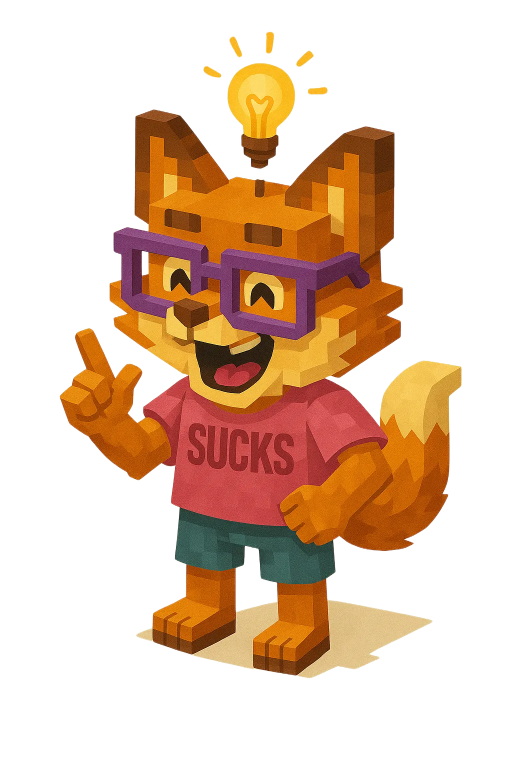 Welcome to 2025: the year where every founder thinks they're the next Elon Musk, but in reality, most can't even get out of their own echo chamber. The startup scene is a mixed bag of wild dreams and glaring delusions, and I'm here to slice through the nonsense like only Roasty the Fox can. The truth? 100% of startup ideas in 2025 aim to revolutionize their industries, but let’s face it: only a handful make it past the fantasy stage. Today, I'm going to drag out some of these misfires into the light of day and show you why your “brilliant” idea might actually be a one-way ticket to nowhere.
Here's the kicker: most founders aren't going to make it. In fact, they’re so far off the mark that even their backup plans need backup plans. But don’t worry, I'm not just here to roast your life's work, I’ll throw in some constructive insights to ensure you’re at least failing in style.
Prepare yourself for a deep dive into the good, the bad, and the “what in the world were you thinking?” of startup ideation. Whether you're a serial entrepreneur or a first-timer, I'll help you avoid the pitfalls that have claimed so many before you.
Structured Data Table
html
| Startup Name | The Flaw | Roast Score | The Pivot |
|---|---|---|---|
| Non-Spill Cat Bowls | Feature, not a business | 18/100 | Smart feeder for multi-cat homes |
| Facebook but Only for MILFs | Meme, not a startup | 18/100 | Niche community for single mothers |
| Digital Twin for Business Exits | Execution-heavy but solves real pain | 88/100 | N/A |
| Uber for Therapist Marketplaces with AI Avatars | No market need for AI avatars | 31/100 | Tools for therapist pain points |
| Amsterpiece | Groupon with more steps | 48/100 | Target nightlife for discovery |
| The Real-World Battle Pass | Short-lived novelty | 58/100 | Corporate team-building events |
| NAHEDA | Feature with philosophy | 58/100 | Niche down for specific communities |
| Failure: Build Failed | More error log than startup | 1/100 | Tool for fixing build errors |
| Delivery Platform to Liquidity Platform | Fintech overreach | 58/100 | B2B prepay model for catering |
| AI Audio Companion for Amsterdam | Content-heavy execution needed | 78/100 | Micro-geographies or local influencers |
The 'Nice-to-Have' Trap
Let's start with the most common pitfall: the 'nice-to-have' trap. Founders often conflate an interesting idea with a necessary one. Just because you can build it doesn't mean you should. Take the Non-Spill Cat Bowls: it's a cute feature, but it doesn't solve any urgent problem. Founders, if your idea can be described as a 'feature on Amazon,' you're probably somewhere in the 'nice-to-have' zone. Pivoting to an idea like a smart feeder that actually addresses a real pain point could, maybe, get you closer to 'must-have.'
The Amsterpiece project thought gamifying discounts would change the world. Spoiler alert: it didn't. Groupon found out the hard way that discounts aren't a sustainable business model when they burn out customer interest fast. If you're banking on a gimmick to get attention, remember that novelty fades, but problems don't.
Deep Dive: Amsterpiece
No, this isn't your childhood treasure hunt on steroids: it's just another Groupon with more steps. The core flaw? People chase discounts, not experiences. Let's get real: businesses want loyal customers, not one-time deal hunters. Gamifying discounts may sound enticing, but it’s like putting lipstick on a pig. Instead, focus on creating value that businesses and consumers both truly want, like a platform that actually encourages repeat visits through unique experiences rather than mere discounts.
The Fix Framework
- The Metric to Watch: Conversion rate from deal-driven visits to repeat customers
- The Feature to Cut: Generic discount game
- The One Thing to Build: Hyperlocal events quality that drive actual engagement
Why Ambition Won't Save a Bad Revenue Model
Here's a reality check: ambition is great, but it's not a substitute for a revenue model that actually works. Check out the Delivery Platform to Liquidity Platform. In theory, it sounds like financial wizardry: in reality, it's akin to a fintech fever dream. A delivery app trying to morph into a pseudo-bank? Customers aren’t signing up to fund your cloud kitchen gambling habit.
Ambition without substance leads to startups like Facebook but Only for MILFs, yes, that’s actually an idea. The fatal flaw here? Thinking that niching down a demographic is a substitute for a value proposition. Spoiler: it's not. Cut the superficial layers and get down to solving a problem people care about.
The Compliance Moat: Boring, but Profitable
A 'nice-to-have' startup idea might make a splash, but if you really want to dig in deep: embrace the boredom and get into compliance. Take the Digital Twin for Business Exits: it might sound dull, but it tackles the thorny issue of key-person risk. Solving a tedious problem with a significant impact can create a defensible moat, unlike flashy 'sexy' apps with no real substance.
When you’re deep in the weeds of building a startup, the dull, dry areas often get neglected. The AI Audio Companion for Amsterdam, for example, thrives on its distinct personality, but faces its own challenges with content and execution. While not entirely a compliance play, it underscores the importance of diving deep into execution to make your 'out there' ideas stick.
Deep Dive: Digital Twin for Business Exits
You want a startup that can withstand the test of time? Look no further than the Digital Twin concept. It's a classic example of solving a very real, very sticky problem that businesses face. Key-person risk is a nightmare for SMBs, and this idea tackles it head-on.
The Fix Framework
- The Metric to Watch: Adoption rate among acquired businesses
- The Feature to Cut: Over-complexity in UI
- The One Thing to Build: Intuitive knowledge capture process
Pattern Analysis: Drawing Parallels in Startup Delusion
Let’s stitch together the common threads of these calamities. Pattern one: Startups often confuse ambition with necessity. Just because your idea is grand doesn’t mean it’s needed. The Uber for Therapist Marketplaces with AI Avatars is a classic example of ambition outpacing the need for human connection in therapy.
Pattern two: Flash fades fast, but grime builds. Sustainable startups solve persistence problems, not trends. The Failure: Build Failed is more about technical debt than startup value, reminding us that solid foundation matters.
Last but not least, Pattern three: Successful pivots are often about focusing, not expanding. Many startups try to do too much too soon without validating the core need first. If you want to pivot, follow the lead of ideas like NAHEDA and niche down to really solve for a specific community or problem.
Insight by Category: Breaking Down the Trends
Social and Community
In the social space, ideas like Facebook but Only for MILFs remind us that memes make poor foundations for communities. Real community-building needs real problems to solve, not just catchy names.
B2B SaaS
The B2B landscape is rife with opportunity if you can solve genuine pains, as seen with the Digital Twin. Focus on delivering the most pain relief with the least complexity.
Health and Wellness
The core lesson here is to avoid turning serious sectors into gimmicks. Ideas like Uber for Therapist Marketplaces with AI Avatars highlight the gap between tech dreams and real-world application.
Fintech
The fintech space is where ambition often blindsides reality, like with the Delivery Platform to Liquidity Platform. Focus instead on creating straightforward solutions that truly change the financial mechanics for users.
Actionable Takeaways: Red Flags in Startup Ideation
- Avoid Features Disguised as Startups: Ideas like Non-Spill Cat Bowls should be pivoted into solving bigger problems.
- Drop the Novelty Act: If your only unique selling point is a temporary gimmick, like in Amsterpiece, it's time to rethink.
- Cut the Complexity: Fintech fantasies like Delivery Platform to Liquidity Platform need to simplify and focus on what people actually need.
- Embrace the Boredom: Boring solutions like Digital Twin can be profitable.
- Focus on Real Problems: Social networks like Facebook but Only for MILFs should solve actual community issues.
Conclusion: The Blunt Directive
So there you have it, folks: the harsh reality of startup ideation in 2025. If your idea isn’t solving a genuine pain point or building a moat that money can’t easily bridge, then it's time to rethink your strategy. The world doesn't need another 'fun idea' or half-baked gimmick. It needs solutions to real problems that don’t fade with the first gust of market change.
Don’t be the founder who wakes up to a startup graveyard; be the one who builds something meaningful and lasting. If your venture solves an actual problem and does it well, you might just avoid the chopping block, at least for now.
Written by Walid Boulanouar.
Connect with them on LinkedIn: Check LinkedIn Profile
Want Your Startup Idea Roasted Next?
Reading about brutal honesty is one thing. Experiencing it is another.