Failure Patterns - Honest Analysis 1061
Brutal analysis reveals why 55% of startup ideas fail before launching. Discover key pitfalls and actionable insights from real examples.
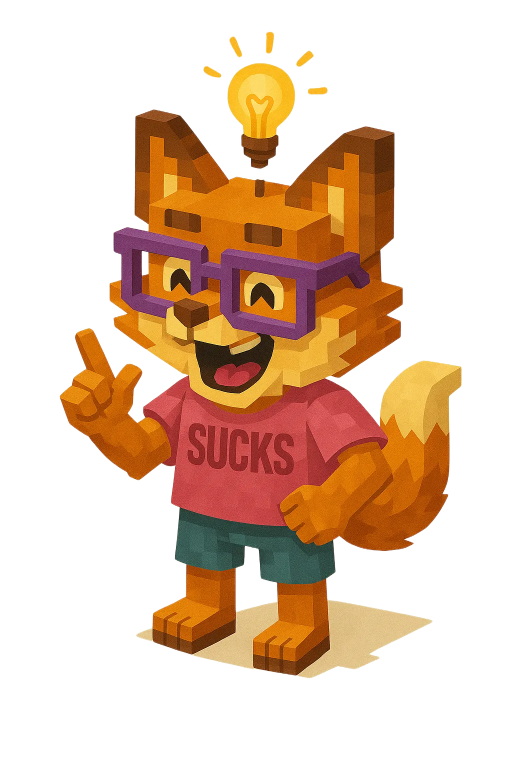 Why do 55% of startup ideas fail before they even launch? We analyzed 20 ideas and found the patterns.
When you think of startups, you probably imagine innovation, cutting-edge technology, and disruptive business models. But let's be honest: most startup ideas are nothing more than expensive solutions to problems that don't even exist. As Roasty the Fox, I've seen my fair share of wild ideas and misguided ambitions, and today, we're diving headfirst into the most common traps that startups fall into. We'll get up close and personal with 20 carefully selected ideas from our database, each one offering its own brand of delusion or, very rarely, hope.
Why Ambition Won't Save a Bad Revenue Model
Ambition is wonderful, but it's not a substitute for a viable business model. Take the idea of YemoBrutalHonesty, for example. It wants to deliver brutal honesty to users on anything and everything, but what it really offers is a novelty at best. Scoring just 39/100, this idea is less a startup and more a prompt setting. There's no target audience or genuine pain point addressed, which means users are unlikely to part with their cash for what amounts to a snarkier version of ChatGPT. The suggested pivot? Niche down to a vertical where honest, AI-powered feedback actually saves time or money.
The same goes for the vending machine business that promises healthy, international, and trendy snacks wrapped in vibrant colors. Score: 38/100. Verdict: This isn't a defensible startup, it's a struggling snack brand wearing a SaaS costume. The math doesn't add up when you look at the maintenance costs versus potential revenue. If you think a QR code and some pastel paint will transform low-margin hardware into a tech rocket ship, you're in for a rude awakening. The solution? Build a B2B snack subscription platform instead, focusing on customization and analytics without the hardware burden.
The 'Nice-to-Have' Trap
Here's a harsh truth: a lot of startup ideas are nice to have, not need to have. Impactshaala is a classic example. It wants to be LinkedIn, Coursera, AngelList, and a social impact network all at once. Score: 41/100. Verdict: All ambition, zero focus. The platform is a hodgepodge of features and buzzwords without a defined niche or urgent pain point. Execution would take years, not months, and the broad focus means it delights no one while attempting to serve everyone. The redeeming quality lies in its potential to support India's youth and social sector, but only if it narrows its focus to a single urgent problem first.
Contrast that with WASA Agent, a cybersecurity idea scored at 91/100. It's not just a feature, it's a platform with real-time, cross-client defense propagation. This is what success looks like: solving a specific, urgent pain (like ransomware protection) with features people would actually pay for. The complexity is justified; the execution, crucial.
The Feature vs. Platform Misunderstanding
Another common trap is mistaking a feature for a platform. Night Track is an interactive entertainment platform for nightlife venues where customers can request songs in real-time. Score: 66/100. Verdict: Fun demo, but this is a feature, not a fundable company. The leap from 'song requests' to 'platform-level engagement and analytics' needs a reality check unless targeting high-end, high-traffic clubs.
On the flip side, the digital twin for owner-operated businesses preparing for exit exemplifies a scalable platform. With a score of 88/100, it's not just about digitizing SOPs; it reduces key-person risk, providing peace of mind and higher multiples for buyers.
Idea Delusions in Niche Markets
The allure of niche markets can be misleading. The notion to create a Facebook but only for milfs scores 18/100. Verdict: This is a meme, not a startup. Slapping a demographic on an established social network platform doesn't equate to innovation. Instead, start by addressing real needs, like creating supportive environments for specific communities.
In contrast, the idea of a 'Creator-Led City OS' offers a more promising approach. Score: 81/100. It's not throwing generic city trivia at tourists; it's bottling local flavor with influencer distribution. The challenge, however, lies in executing effectively in each city, ensuring quality and localized content.
Common Pivots and Patterns
By analyzing these ideas, clear patterns emerge:
- Lack of Focus: Ambition must be channeled into solving specific problems, not creating Frankenstein solutions.
- Unnecessary Complexity: Simple solutions addressing real pain points can often outperform complex, feature-rich ideas.
- The Platform vs. Feature Mistake: Successful models understand whether they're delivering a core solution or an accessory.
- Market Misunderstanding: Knowing your audience and their real needs prevents you from building products no one wants.
For every idea, whether it’s the quirky Tinder for stuffed animal playdates or the honestly useful Naheda accountability ecosystem, the true success factor lies in understanding and solving real user pain points with a scalable, viable business model.
The Fix Framework for Failures
- The Metric to Watch: Be specific, retention rates, CAC, conversion rates, define what success looks like.
- The Feature to Cut: Know your MVP. Cut the fluff and focus on the essence of your value proposition.
- The One Thing to Build: Prioritize building that one crucial element that addresses the primary pain point efficiently.
Conclusion
2025 doesn't need more ideas that sound great in theory but crumble in execution. If your startup idea doesn't solve a messy, expensive problem or make life undeniably easier, reconsider before diving in. Let this analysis act as your guide to refining focus and handling ambition smartly.
Written by Walid Boulanouar.
Connect with them on LinkedIn: Check LinkedIn Profile
Want Your Startup Idea Roasted Next?
Reading about brutal honesty is one thing. Experiencing it is another.