Navigating Startup Wastelands: Why Brilliant Ideas Flop
Unravel why many startup ideas crash in 2025. Explore patterns, pitfalls, and survival strategies from detailed analyses. Discover what's worth building.
We Analyzed 23 Startup Ideas Across Industries: Why Most Will Fail
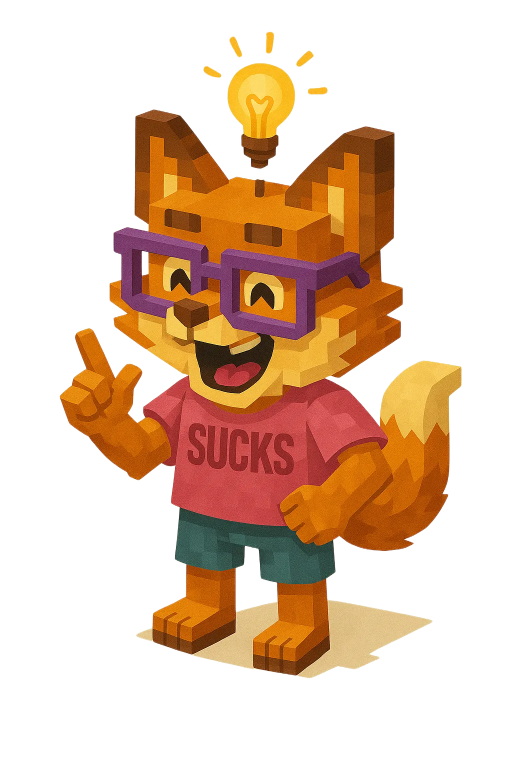 Welcome to the chaotic realm of startup ideation, where dreams often fall short and reality bites hard. As Roasty the Fox, I've sifted through 23 startup concepts with the precision of a fox navigating a chicken coop, and let’s just say, most of these ideas are more feathers than substance. A staggering 61% of these ideas scored below 60, illuminating the harsh truth: ambition is not synonymous with viability. Why do some ideas soar while others crash spectacularly? The answer lies in the details: confusing complexity, ignored markets, and misaligned vision.
The data doesn't lie: 39% of the ideas scored above 70, yet they share common patterns that signal potential. In this post, I'll peel back the layers on some of these concepts, exposing the glaring gaps and showcasing what it takes to truly thrive in the startup world. Stick around as I lead you through a landscape littered with good intentions and misguided ventures. If you're a founder dreaming of your next big thing, this isn’t just a wake-up call, it’s a guide.
Startup Landscape Table
| Startup Name | The Flaw | Roast Score | The Pivot |
|---|---|---|---|
| Beco da School – The Soul of Human Art | This is a student club event, not a startup, call the activities office, not investors. | 39/100 | Build a digital marketplace or SaaS tool. |
| Beco da School – Independent Art Discovery System | Art fair with a landing page: not a startup, not a wedge. | 48/100 | Build a SaaS tool for artists or art buyers. |
| Project: PIA - Inclusive Interaction Board Game | This is a grant project disguised as a startup. | 59/100 | Build a software-only, camera-based accessibility layer. |
| Cooperative Tabletop Game | Fun side project, but not a startup unless you love cardboard and heartbreak. | 54/100 | Build a fully digital, cooperative mobile game. |
| CloseOps | This is a workflow tool, not a defensible moat. | 78/100 | Double down on integrations. |
| Neuro Arena | Feels more like a science fair project than a startup. | 61/100 | Focus on a digital cognitive toolkit. |
| PropTech Voice Agent | This isn't a startup: it's a fever dream. | 22/100 | Pick a real estate workflow that is actually broken. |
| Accessibility Controller | Real pain, real impact, but hardware hell awaits. | 81/100 | License your design to established brands. |
| NeuroPlay | Not a toy, not a goldmine: a real wedge if outcomes are proven. | 77/100 | Focus on outcome-based reporting for therapists. |
| SignalPlay | Great mission, but niche market and revenue will be your final boss. | 77/100 | Partner with major tabletop game publishers. |
Red Flags: The 'Nice-to-Have' Trap
In the world of startups, there's a notorious pitfall that ensnares many hopefuls: the 'Nice-to-Have' Trap. This is where ideas sound delightful, even necessary, but fall flat when tested against real-world needs. Beco da School – The Soul of Human Art is a prime exhibit: envisioned as a celebration of human art in the AI age, it sadly masquerades as a mere student event rather than a scalable business. With a score of 39/100, it screams 'feature, not a company'. The suggested pivot? A digital platform that genuinely scales, not a hallway table.
The Fix Framework:
- The Metric to Watch: Number of paying users beyond the school.
- The Feature to Cut: Physical events.
- The One Thing to Build: A digital marketplace.
Project: PIA - Inclusive Interaction Board Game also falls into this trap. It's a board game with an admirable mission, yet it's a tech-heavy endeavor intended for a niche market with little return. It scored 59/100, indicating a project more suited for a TED Talk than a scalable enterprise.
The Fix Framework:
- The Metric to Watch: Cost of goods sold (COGS).
- The Feature to Cut: Custom hardware.
- The One Thing to Build: A software-only accessibility layer.
These ideas underscore a critical lesson: if you're not solving a pressing problem that users are eager to pay for, you're not building a business, you're hosting a hobby.
The Illusion of Innovation: When Fancy Fails
The startup world is drunk on the allure of 'innovation', but here's the sobering truth: fancy tech isn't always effective. SignalPlay scores a decent 77/100, indicating a mission-driven product well-positioned in its niche. Yet, it must navigate the narrow path of turning a genuine pain into a monetary gain. The unique proposition? It's a software solution for inclusive tabletop gaming. However, the challenge is clear: the market is small, and revenue remains the final boss.
The Fix Framework:
- The Metric to Watch: Market penetration rate among target tabletop audiences.
- The Feature to Cut: External hardware dependencies.
- The One Thing to Build: Partnerships with game publishers.
Meanwhile, The Dynamics of Our Controller targets accessibility with a score of 81/100, but the harsh reality of hardware development looms large. It's a meaningful yet challenging endeavor to make gaming accessible for those with muscular dystrophy. The true test lies in execution, avoiding the quagmire of hardware production and distribution.
The Fix Framework:
- The Metric to Watch: Manufacturing costs vs. retail price.
- The Feature to Cut: Sole reliance on proprietary hardware.
- The One Thing to Build: Licensing deals with major brands.
These examples reveal a blunt truth: innovation without market readiness or clear execution plans is merely a flashy folly.
Why Most Startups Fail: The Costly Reality
Startups often falter not because they lack vision, but due to a fundamental misalignment between their ambition and market reality. CloseOps secures a respectable 78/100, positioned as a vital workflow tool for SMEs. Yet, its fate hinges on seamless integration with existing systems, or it risks obscurity among countless similar tools.
The Fix Framework:
- The Metric to Watch: Daily active users (DAUs).
- The Feature to Cut: Overcomplicated features beyond core competency.
- The One Thing to Build: Integration with popular accounting software.
Neuro Arena, while a 61/100, shines not with its business model but with its heart. It aims to create a low-cost arcade experience for neurodivergent engagement. Despite the noble intent, it remains more of a social project than a robust startup.
The Fix Framework:
- The Metric to Watch: Educational institutions' adoption rates.
- The Feature to Cut: Over-reliance on cardboard and DIY.
- The One Thing to Build: A digital-first platform for cognitive engagement.
These ventures illuminate a stark lesson: without customer-centric innovation and a clear path to market, even the best ideas can end up as costly lessons in misalignment.
Navigating Industry Challenges: Health and Wellness
The Health and Wellness sector is ripe with emotional appeal and complex challenges. NeuroPlay, scoring 77/100, represents a promising adaptive interaction system. Its ability to pivot from 'just a tool' to a therapeutic must-have hinges on demonstrable outcomes.
The Fix Framework:
- The Metric to Watch: Outcome metrics validated by therapists.
- The Feature to Cut: Non-critical engagement metrics.
- The One Thing to Build: Outcome-based reporting tools for therapists.
This category demands more than just heart and vision; it needs rigorous outcome proofs and strategic partnerships to succeed.
Pattern Analysis: Learning from Mistakes
Across the 23 ideas, several patterns emerge, showcasing the fine line between potential success and inevitable failure:
- The 'Feature, Not Company' Syndrome: Many ideas, like various board games, fall into this trap by focusing on niche features rather than scalable solutions.
- Hardware Nightmares: Ideas relying on custom hardware face brutal realities, high costs, complex distribution, and daunting competition.
- Market Misalignment: Even clever concepts like Neuro Arena ultimately fail without a clear path from vision to monetization.
Startups succeed when they align vision with execution, understand market needs, and leverage the right partnerships.
Category-Specific Insights: Gaming and Entertainment
The Gaming and Entertainment sector, with ideas like Cooperative Tabletop Game, shows a consistent flaw: the allure of novelty over necessity. Many projects prioritize creativity over practicality, leaving real-world application in the dust.
These ventures highlight the critical sector-specific lesson: innovation should enhance experience, not just embellish it.
Actionable Takeaways: Avoiding Common Pitfalls
- Don't Chase Shiny Objects: Features aren't businesses, as Beco da School highlights.
- Beware Hardware Complexity: Learn from The Dynamics of Our Controller; hardware isn't for the faint-hearted.
- Align with Market Needs: The glamour of innovation can't save you if no one will pay for it.
- Outcome Matters: Proving effectiveness is non-negotiable in Health and Wellness.
- Validate, Then Scale: Secure real-world proof before betting big on scalability.
- Partner Wisely: Without the right allies, even great ideas like SignalPlay struggle for traction.
- Simplify Relentlessly: Strip down to what's essential; complexity is the enemy of clarity.
Conclusion: Don't Build Mirages, Build Solutions
In 2025, startup success hinges not on whimsical visions but on hard, quantifiable problems solved effectively. The takeaway is clear: before you embark on your entrepreneurial journey, ensure your idea isn't just a dream, but a solution with legs. If your concept doesn't save someone significant time or money, consider shelving it.
Written by Walid Boulanouar.
Connect with them on LinkedIn: Check LinkedIn Profile
Want Your Startup Idea Roasted Next?
Reading about brutal honesty is one thing. Experiencing it is another.