Why These Gaming and Entertainment Ventures May Flop
Discover why these startup ideas fall short. Brutal critiques reveal common pitfalls and actionable strategies for aspiring entrepreneurs.
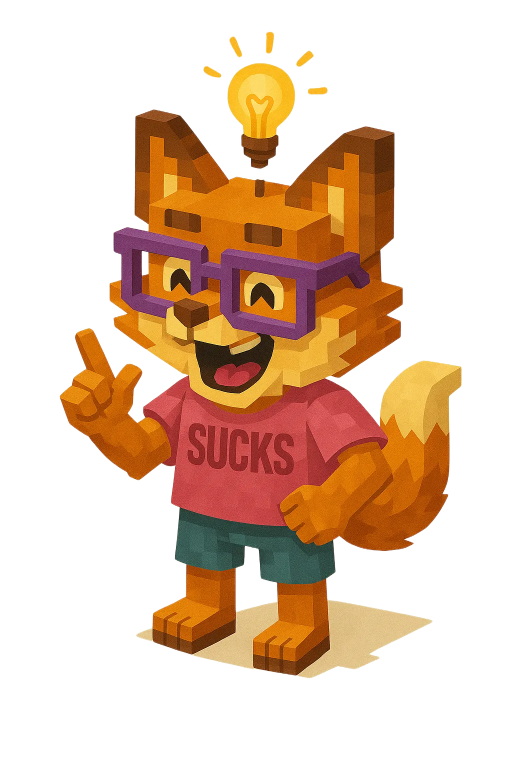 Most startup ideas in 2025 solve problems that don't exist. In a world where everyone's trying to innovate a solution to a nonexistent issue, we take a brutally honest look at 18 of the most misguided attempts. These aren't just startups: they're cautionary tales, warnings, and sometimes, a downright laugh. These ideas are the embodiment of everything that makes Roasty the Fox roll his eyes. Let's dive into the mess of ideas that should've never left the drawing board. As we dissect these concepts, you'll discover why they're the worst offenders and learn how not to repeat the same mistakes. So, buckle up and prepare for a ride into the land of delusions, where you shouldn't dare build.
| Startup Name | The Flaw | Roast Score | The Pivot |
|---|---|---|---|
| Inclusive Arduino Board Game | Overengineered, academic project | 41/100 | Shift to digital app |
| Social Deduction Game for Hearing Impaired | Thesis, not a business | 35/100 | Software-first accessibility layer |
| Vibrating Bracelets for Gamers | Hardware headache | 56/100 | Software overlay for haptics |
| Accessible Rhythm Game | Feature, not a business | 56/100 | B2B platform for devs |
| Accessible Board Game Platform | Academic hardware project | 54/100 | Cross-platform accessibility SDK |
| Card Game Accessibility Kit | Science fair project, not a startup | 41/100 | Mobile app for accessibility overlays |
| Silent Expedition Board Game | Boutique art project | 56/100 | Digital app or hybrid kit |
| VisualSense Multisensory System | Solution in search of a pain | 48/100 | Focus on niche markets like escape rooms |
| Beco da School | Student club event, not a startup | 39/100 | Digital marketplace for artists |
| ASD Interactive Sound Panel | No clear buyer, high integration cost | 58/100 | Tablet-based rhythm game for therapists |
The 'Nice-to-Have' Trap
Let's face it: what most of these startups miss is that nice-to-have features are not businesses. Look at the Inclusive Arduino Board Game. It's a lovely accessibility exercise, but expecting people to pay for a complex, overengineered board game isn't realistic. The mandatory Arduino screams niche hobby project, not mass market product.
Similarly, the VisualSense Multisensory System promises to enhance tabletop play with LED cues and vibrations. It’s cool tech but ask yourself: is anyone actually seeking more sensory inputs for their Catan game night? Target escape rooms or live-action RPGs where this kind of enhancement can add real value. Until then, it's just another proof of concept without a paying audience.
Why Accessibility is a Feature, Not a Business
Accessibility is crucial, but it's often just a feature that should be integrated into existing platforms, not something to build a company around. Take the Card Game Accessibility Kit. It's a noble mission, aimed at making card games more inclusive for the hearing-impaired. Yet, it's a hardware solution that doesn’t scale and is unlikely to attract widespread adoption or investment.
The solution? Pivot to creating software overlays that can work across any tabletop game, not just card games. This reduces friction, increases reach, and opens up a path to real market penetration.
The Hardware Graveyard
Venturing into hardware? Prepare to bleed money and time. The Vibrating Bracelets for Gamers tried to address a real issue for deaf gamers, but the execution was flawed. Hardware solutions are expensive to build and support, and the user base is niche. The bracelets promised a game-changer but delivered an expensive, impractical accessory instead.
If you're dead set on hardware, focus on proving demand with a software solution first. Use the time and money saved to develop a truly innovative device that integrates seamlessly with existing systems and solves a clear problem.
Academic Dreams, Market Realities
There's a fine line between academic exercises and market-ready products. The Social Deduction Game for Hearing Impaired serves as a perfect example. Born in a classroom, it never escaped the academic bubble. By sticking too rigidly to technical requirements like mandatory Arduino usage, it's clear the market wasn’t the priority.
To turn these academic projects into viable businesses, drop the classroom constraints. Aim for market flexibility and adapt your core idea to meet real-world demands. Find the balance between your technical prowess and user needs.
The Feature vs. Business Duel
A common theme with these ideas is mistaking a feature for a standalone business. Consider MyMentor. It's essentially ChatGPT with a celebrity mask, aiming for a self-help market that's already saturated. That market is notorious for not wanting to pay.
Instead of creating a full-blown standalone 'AI mentor', integrate these mentorship algorithms into existing platforms where users already spend time, like productivity or career tools. This could increase adoption and open up a clearer path to monetization.
Deep Dive Case Study: CareLoop
Blunt Verdict: Big promise, no wedge. You’re pitching a family caregiving platform as if it's the next Windows. But 'operating system' is code for 'I don’t know where to focus'.
CareLoop's ambition to be the go-to system for family caregivers is admirable, but it's lost in breadth. The reality is caregivers need specific tools, not an all-in-one that satisfies none. The Fix Framework:
- The Metric to Watch: Number of actual users paying monthly, if it's under 500 in the first year, redo your approach.
- The Feature to Cut: The vague 'AI-powered' branding, focus on what it actually does well.
- The One Thing to Build: A streamlined coordination tool for medication management and appointments that integrates seamlessly into caregivers' current workflows.
Pattern Analysis
Across the board, there's a failure to solve an urgent, painful problem. Many ideas like the ASD Interactive Sound Panel target worthy causes but lack market validation. They tackle complexities that not everyone is itching to pay to solve, mostly due to a fuzzy understanding of who their real customers are.
Category-Specific Insights
For gaming and entertainment, the mistake is often overengineering a 'fun' project that doesn't address a market need. Many projects, such as the Silent Expedition Board Game, are really passion projects without an audience willing to fund their development on a large scale.
In health and wellness, projects like Musical Memory often falter. They're stuck in a pilot purgatory, unable to prove their clinical efficacy. They’re more 'nice to have' features that can't quite fit into the stringent demands of healthcare systems without a robust validation.
Actionable Takeaways: Red Flags, Not Lessons
- Avoid Overengineering: Stop turning every idea into a complex engineering project when an app would suffice.
- Know Your Audience: Don’t build without knowing exactly who will pay for your product and why.
- Feature vs. Business: Features should complement existing platforms, not pretend to be the entire platform.
- Hardware Caution: Enter hardware only if absolutely necessary; otherwise, it's a money pit.
- Academic to Market: An A+ in the classroom doesn’t translate to success in the market until you validate the need.
- Solve Real Problems: Focus on clear, pressing issues that customers are desperate to have solved.
- Validate Early and Often: Validate your assumptions with real users and adjust before it's too late.
Conclusion
2025 doesn't need more 'AI-powered' wrappers. Your solution should tackle a messy, expensive problem, saving someone significant time or money each week, otherwise, scrap it. Your startup idea needs to make a real impact or find itself in the startup graveyard with the rest.
Written by David Arnoux.
Connect with them on LinkedIn: Check LinkedIn Profile
Want Your Startup Idea Roasted Next?
Reading about brutal honesty is one thing. Experiencing it is another.